
What Students Really Need Is Not More Pressure, But Better Support

When Learning Starts Feeling Like Survival
Students are expected to absorb more information, prepare earlier for exams, and maintain high performance across multiple subjects simultaneously. Alongside this, social comparison through digital platforms has intensified the feeling that everybody else is progressing faster or performing better.
This environment can slowly shift learning from something engaging into something stressful. Instead of enjoying the process of discovery, students begin associating education with fear of failure.
Strong student support systems have therefore become more important than ever. Academic success should not come at the cost of confidence, well-being, or motivation. The best learning environments are not the ones that apply the most pressure, but the ones that create balance between challenge and encouragement.

The Quiet Pressure Students Carry Every Day
A large portion of stress on students is not directly apparent.
Some students are afraid to ask questions, fearing that they will not be as able as other students. Others take anxiety with them where they don't get good grades, they don't please parents, or they fail to do well in a subject they used to like.
This pressure is not necessarily manifesting itself in low grades. Many successful learners also suffer from burnout, stress and loss of self-esteem while striving to fulfil the expectations set on them all the time.
Making students' mental health a point of discussion is more and more essential, as academic stress can impact much more than just a student's performance in the classroom. It affects self-esteem, motivation, concentration and future self-confidence.
The focus of modern learning should not be solely on outcomes. It should also take into account the experience of students as they strive to achieve them.

Why Confidence Changes Everything in Education
Many people don't realize that confidence has a much greater influence on a student's success than anything else.
Pupils who think they can are likely to:
- participate actively
- attempt difficult tasks
- ask questions openly
- recover from mistakes
- play actively and regularly with learning
However, students who become discouraged tend to stop trying to solve problems altogether. They begin to withhold their support, they begin not to ask for assistance and they gradually detach themselves from their own learning capacity.
This is the importance of personalised encouragement and constructive feedback in the learning experience.
Technology Should Support Learning, Not Replace Human Connection
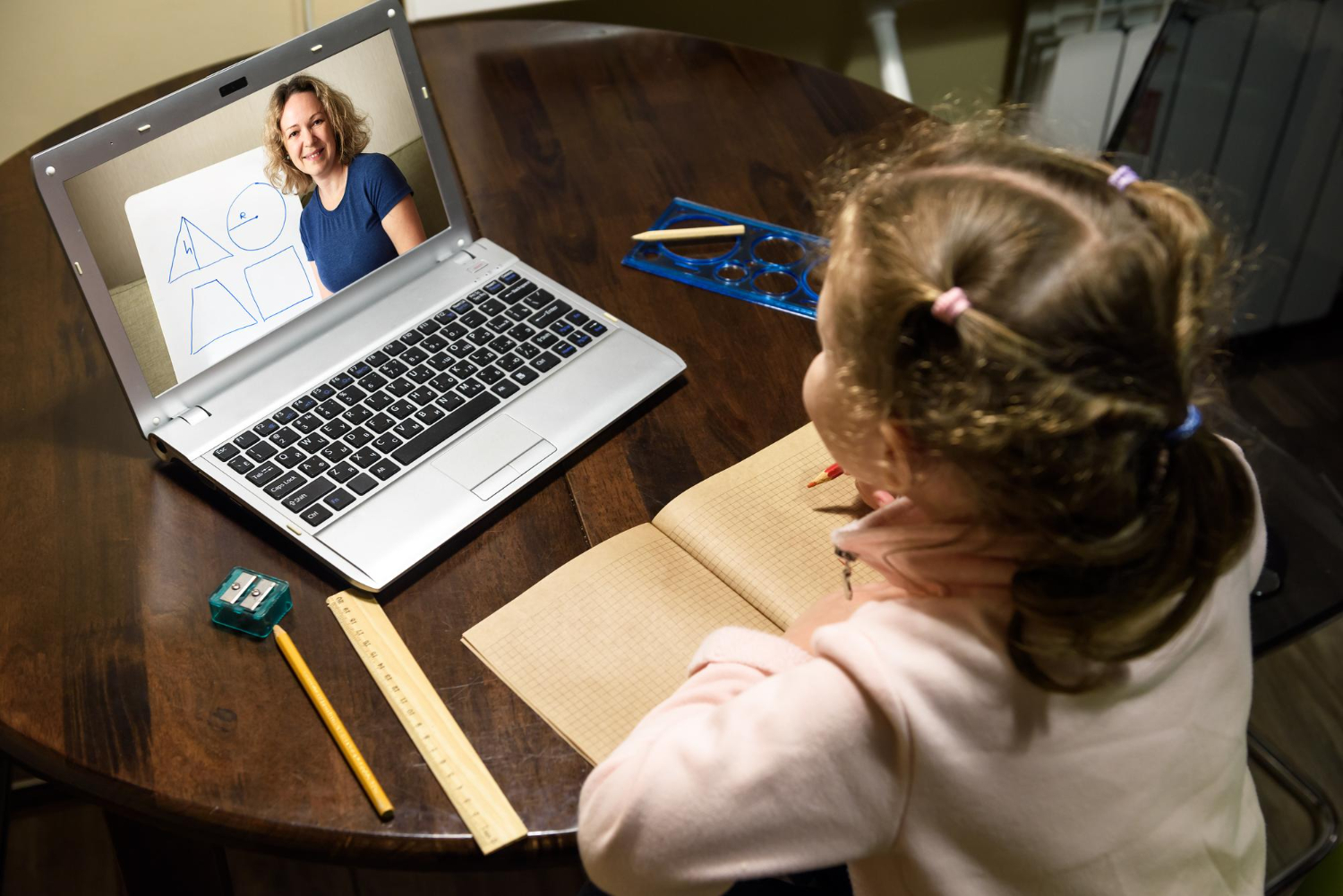
Education technology has revolutionized the learning landscape. Students can now access online classrooms, digital materials, multimedia learning aids and academic support, virtually from anywhere.
This accessibility has brought about some exciting opportunities for learning innovation and smart learning models in the UK and worldwide.
What Parents and Students Are Really Looking For Today
Today's families aren't looking for academic education alone. They are looking for reassurance, trust, transparency and personalised support.
Parents would like to know:
- Around how the students are doing with their learning
- Where areas of learning are identified as gaps
- If confidence is increasing or decreasing
- How support is being provided
Pupils, on the other hand, are frequently looking for something much simpler:
to feel understood.
All students learn in different ways. Some children learn best with pictures, others need repetition, discussion or a slower pace to understand the concepts.
That's why personalized learning is gaining in importance in contemporary education systems. While some students can learn via a generic approach, others require adaptive teaching methods to meet their individual learning needs.
Inclusive education settings foster greater connection, greater academic self-assurance, and greater lasting learning gains.
Building an Environment Where Students Can Actually Grow
The academic performance, confidence and emotional well-being are positively affected by a positive learning environment.
Pupils develop best when they perceive themselves to be:
- safe asking questions
- comfortable making mistakes
- Progressed and encouraged to make steady improvement.
- supported consistently
Encouragement, patience, and carefully planned instruction are needed for long-term academic development; fear-based learning environments can yield temporary effects.
That's why online learning platforms that offer interactive communication features and tailor academic support to each student have become more valuable. When lessons are designed more as a group activity, students tend to do better.
Learning that grows more naturally occurs when learners shift their attention from a fear of failure to a focus on real learning.

Why Personalised Learning Is No Longer Optional
Classrooms today are as varied as can be. Every student has his/her own strengths, learning speed, attention span, motivation and educational background.
This has made personalised learning a mere educational privilege. It is increasingly becoming a necessity.
Today's students enjoy learning methods that respond to:
- individual pacing
- learning preferences
- academic goals
- confidence levels
- subject-specific challenges
This flexibility will enable the learner to concentrate on weaker points more effectively and to continue to develop stronger points.
Another advantage of personalised education is that it also helps to eliminate unnecessary pressure as students are not always put under a constant strain by comparing themselves to others. Rather, advancement turns individual, measurable and more achievable.
In the future, the tendency of modern education will be in the direction of individualization of students, which will be increasingly dependent on learning models oriented toward this individual.
The Difference Between Teaching and Truly Understanding Students
Teaching information and understanding students are two very different things.
Some of the greatest educators are recalled not for their flawless lessons but for their ability to comprehend students' thinking, struggling, and learning progression.
Good teaching is more than just being able to explain the concepts well. They involve recognising:
- confidence barriers
- communication gaps
- emotional pressure
- learning styles
- motivational challenges
Often students will make a great deal of progress when they don't feel lectured at but listened to.
Conclusion
A balanced approach to support, effective communication, personalized learning and students feeling empowered to develop without fear are all key factors in achieving sustainable student success.
Education in the future will not only rely on more sophisticated systems and technology. It will rely on providing learning opportunities that continue to be profoundly human and are infused with the potential of contemporary innovation.
When students feel safe, understand and believe that they can learn, learning is a lot more than just a number.

.jpg)