
10 Signs Your Child Could Benefit From an Online Tutor
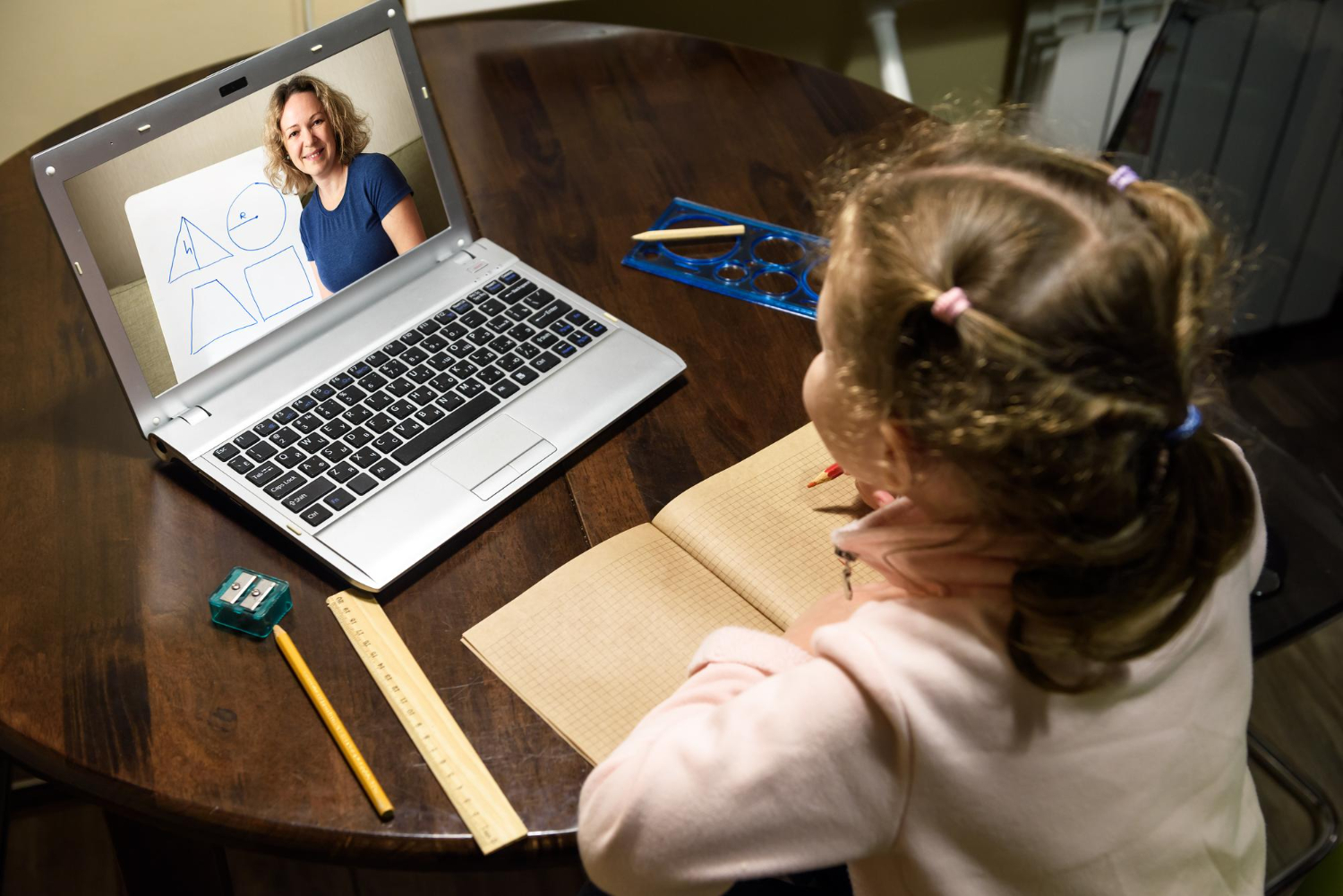
Sometimes it's not easy to decide if your child requires additional academic assistance. A child can be doing well in school and not coping well in a specific subject, may lose confidence or be unable to study on his own. However, other students might need extra support even before their grades begin to drop.
They can offer support where it is needed, help students to spend time asking questions, practising challenging topics, and learning at their own speed. How to know when it is needed, though?

The following are 10 indications that your child may need an best online tutors UK
1. Their Grades Are Consistently Falling
One of the most obvious indicators that a student requires further assistance is when he or she experiences a noticeable or continuous decrease in grades.
While a single individual failing might not reflect a problem, if your child is failing more and more tests, it may mean that he or she is having difficulty understanding key concepts. An online tutor will be able to pinpoint where those challenges began and work on those areas that require attention before it gets harder to correct learning gaps.
2. They Say, “I Don't Understand”
Sometimes children can sense that it is not making sense and they don't always know what it is that is hard for them. It can be indicative that a topic is confusing if it is repeated many times. One to one tutoring provides the student with time to pause, ask questions and go back over a concept without feeling rushed to catch up.
3. Homework Takes Far Too Long
Homework should be a continuation of the work done in class, and not a regular source of frustration. If your child takes longer than normal to do homework, often needs help, or doesn't begin homework at all, they might be having difficulties with the content of homework.
An affordable online tutoring UK is able to help the student to understand how to approach their work and the development of more effective strategies for problem solving can make independent study easier over time.

4. They've Lost Confidence in a Subject
A student who previously liked Maths, Physics, English or another subject can start to say things such as, “I'm just bad at this.” Self-confidence may be linked to motivation and performance in academic work. Giving students the opportunity to have small successes without feeling the pressure in the classroom. Their confidence can start to grow as they are able to understand more.
5. They Understand the Lesson but Struggle With Tests
It seems that some pupils know what to do during lessons but can't do so on the exam paper. This may occur as it is one thing to know how to apply knowledge, and another to follow a teacher's explanation.
An online tutor can assist the student in practicing interpretation of questions, in the selection of the correct method, working out answers, and verifying answers. This can be challenging when moving from the conceptual to more effective use.
6. They Have Gaps in Their Basic Knowledge
New topics are frequently based on previous learning. Some subjects like Physics, and higher level Maths, can be very challenging if you struggle with algebra. If your child is having problems with a topic because he/she has forgotten or misunderstood something in the past, you may need to go back and reiterate that information. One opportunity for revisiting those foundations and the ability to re-establish them correctly is the targeted tutoring.
7. They Avoid Studying Certain Subjects
Students may avoid an assignment because they are feeling overwhelmed, not just because they are "lazy" or "not interested. If a child has a persistent reluctance to rewrite his/her work, or find a subject hard to practise or becomes frustrated when asked about a subject, this may be a sign of struggle. It is essential to find out why they are avoiding it. Personalised academic support can help a subject seem more manageable if it is a matter of lack of understanding.
8. They Need More Individual Attention Than School Can Provide
Teachers, on the other hand, have to work with a whole class, so it is hard to give any one of them a lot of time on each of the topics.
Others may require more repetition, more examples or a slower explanation before an idea is understood. The one-to-one online tutoring offers focused attention. The tutor can adapt the lesson as it goes and spend more time on challenging topics, as well as progressing when the student is ready.
9. They're Preparing for an Important Exam
The pressure of GCSEs, A-Levels and other key exams can add to the pressure. Students even with good performance can benefit from the structured revision and support to recognise areas for improvement. A tutor may help a student organise their revision and practice exam style questions, analyse errors, and understand how to approach different question types in an exam.
10. They Want to Achieve More
Tutoring isn't just for those who are struggling. There are children who want to push themselves, to cover subjects in more detail or to work towards higher grades but are not yet performing at a high level. An online tutor offers more problems and/or more advanced material and gives personalized feedback that can be unavailable in the regular school schedule

Is Online Tutoring Right for Your Child?
Needing tutoring doesn't just mean a child gets a grade.A child's need for tutoring need not be based on grades. Self-confidence, motivation, study methods, comprehension, and the level of support a child requires may help to offer clues. If you are familiar with more of these signs, you should consider further support. The first step is to determine what is causing your child's difficulty and select a method that will meet that need.
Good tutor is not just a man who will give the answer or make the homework of a pupil. The aim should be to give them an understanding of the topic, improve their learning skills and to develop a gradual increase in independence. Tutoring is more than just about grades when the right support is introduced at the right time. It can make a student feel like he or she can learn again.


.jpg)