
The Most Common Challenges Students Face in Arabic

The Most Common Challenges Students Face in Arabic
The Arabic language is one of the most widely used languages in the world and highly regarded for its cultural, religious and professional values. As digital learning increasingly becomes available, more students are taking online classes of Arabic in order to learn the language.
Learning Arabic is a very rewarding experience, but can have some unique challenges that, if not dealt with properly, can slow progress. Once you know what they are, you can start to work on overcoming them and becoming fluent.

Understanding the Complexity of Arabic
Many learners start off their learning of Arabic through online Arabic lessons as this is very convenient and flexible. Students are often amazed at the difficulty of the language, however. Arabic is vastly different from English, as well as many other languages, in terms of script, pronunciation, grammar structure and sentence structure.
Unlike any Latin script, Arabic is right-to-left and has letters that vary in form with the position in the word. This can be challenging to read and write for novices who have not seen it before.
Adjusting to a New Writing System
The most important thing that students face while learning the Arabic language online is to master the Arabic alphabet. The alphabet is not as large as in some languages, but there are letters with sounds that are not in English.
Students frequently cannot identify letters in various shapes and assign them to the appropriate position while spelling words. It takes practice and exposure to the script to become familiar with it, especially in the early stages of learning.

Pronunciation Difficulties
Some sounds of Arabic are difficult for many new beginners. This is because the pronunciation can change within very minor changes of words.Online One-to-One Arabic Learning With Expert Tutor can help ease these difficulties. You can ask one on one questions if you face difficult or any challenge during your learning period.
One of the most challenging parts of learning Arabic online courses is pronunciation. Learners without adequate teaching and consistent speaking will likely adopt speaking mistakes that will be hard to fix later. Listening to native speakers and practising regular pronunciation will have a great effect on speaking.

Navigating Arabic Grammar
One of the most challenging parts of learning Arabic is the grammar. There are many complex rules in the language regarding verb conjugation, noun cases, gender agreement and sentence structure.
An Arabic tutor can help students understand these rules by breaking them down into manageable lessons and providing examples. Personalized instruction enables learners to incorporate grammar points into their knowledge base and develop confidence in their use of these points in the right context.
Managing Different Arabic Dialects
Another difficulty for students is the diversity of dialects in the Arab world. Regional dialects are the common language of everyday communication, while Modern Standard Arabic is employed in formal communication, in the media and for education.
When students meet words and phrases that they have not been introduced to in the text books they may get confused. Working with an experienced tutor in Arabic language can help learners understand the differences between formal Arabic and commonly spoken dialects.
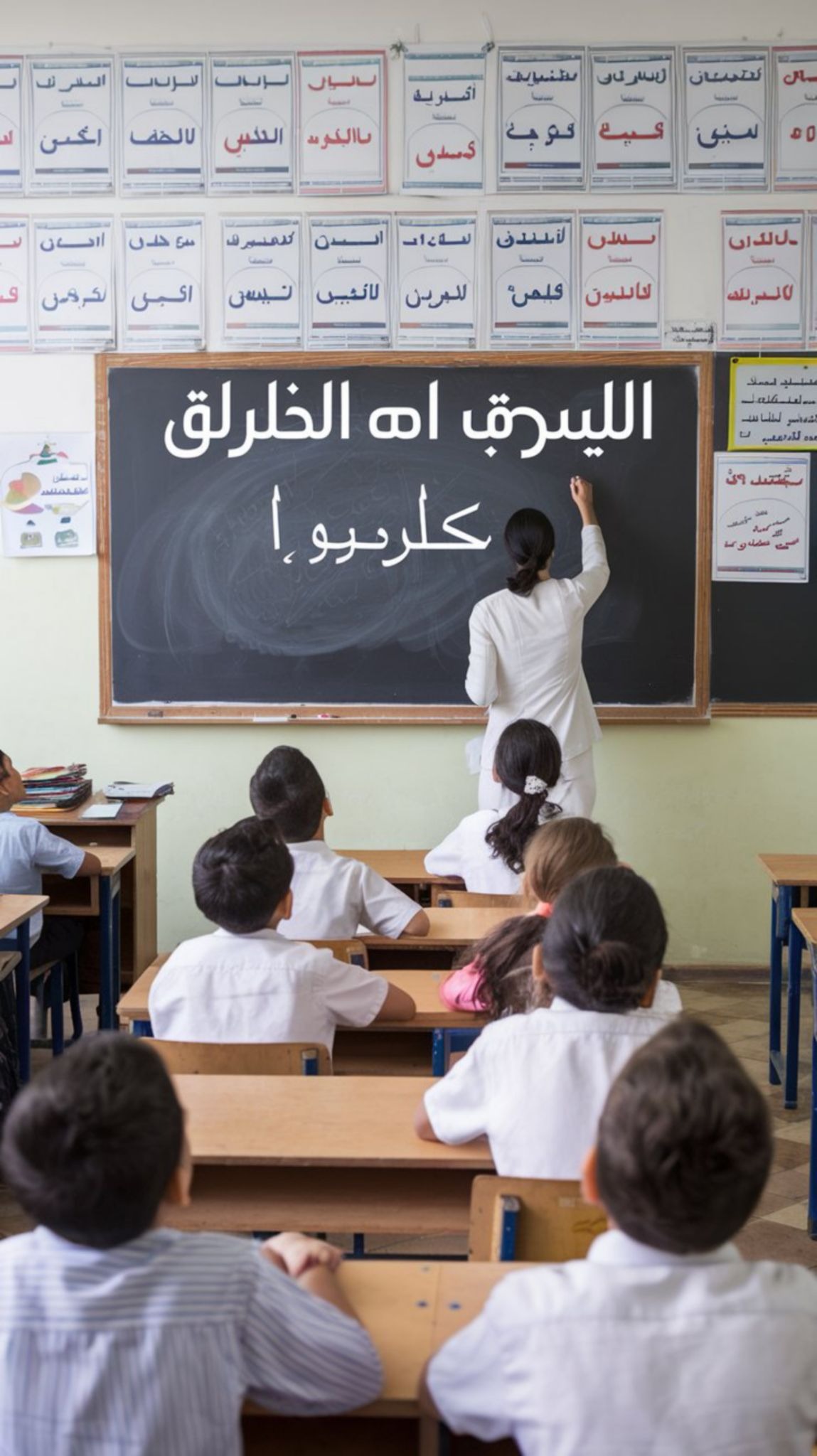
Challenges Students Face When Learning Arabic
The challenges students face when learning Arabic often extend beyond grammar and vocabulary.For some students, motivation can become a major hurdle, especially when they don't achieve the immediate results they desire.
Arabic is a language that is easy to master with persistence and patience. Realistic goals, and rewards for small steps, encourage students to be more engaged during the learning process. Teachers, tutors and study groups can also have a significant impact.

Building Stronger Language Skills
Most students have this question in the back of their mind while learning Arabic: “how to improve Arabic language skills”.. The key to learning the Arabic language is focusing on the 4 main domains. The first one is listening, then speaking, then ready and the final one is writing
One needs to understand vocabulary by reading it thoroughly. Consistent learning requires listening and proper pronunciation skills. It is important to be fluent by listening first and then reading later. The last part is writing when it comes to learning a new language.
Conclusion
Arabic is a language that people think is difficult. But once you get the knack of it, you will start learning it by heart, and understanding it within no time. The only point here is to truly understand what the words mean. For that , you would need proper guidance and a tutor who can be by your side when you feel confused.
That’s exactly where an Expert tutor comes in. We have tutors that can help you build your skills and fluency in the Arabic language. With the right support and guidance you can always ask as many questions as possible.


.jpg)