
How to Prepare for GCSE, A-Level & SQA Exams Without Stress in 2026

“Success in exams doesn’t come from studying harder, it comes from studying smarter.”
We all know how stressful exam sessions can be.Every student schedule is changed during exams. They get more busy and become confused easily. Whether you're studying for GCSEs, A Levels exams or SQAs, revision does not have to be stressful.
The secret is not to work longer or at the very last minute. It's creating an effective revision plan that will keep you organised, relaxed and confident. Every great result begins with the right guidance, find the support that makes studying simpler.
Here are some tips for effective, stress-free studying.
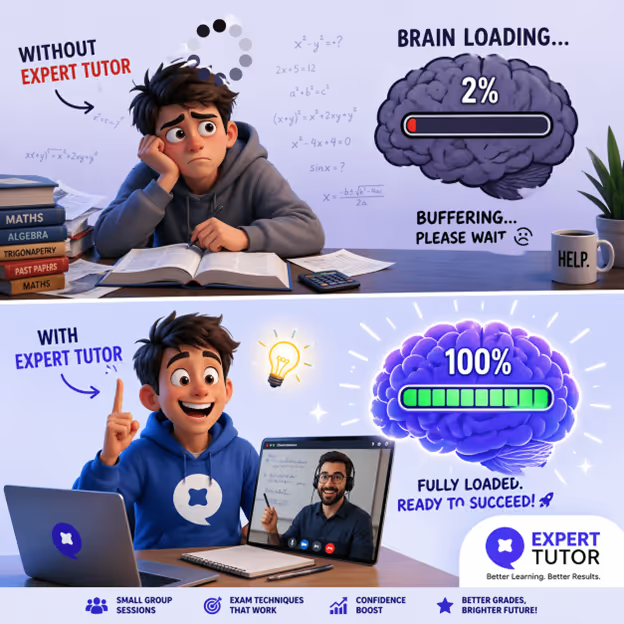
1. Start Early and Build a Realistic Revision Plan
Students often procrastinate. This allows you to spread out your revision over time, rather than trying to cram it all in.
Organise your subjects:
- Make a list of all topics for each subject
- Identify strengths and weaknesses
- Start with the hardest topics
- Set daily and weekly goals
This approach provides structure and decreases stress for students starting GCSE preparation.
If you're searching when A Level exams 2026, exam boards typically announce dates months before. This allows you to work back and plan your revision and reduce stress.
2. Use Active Revision, Not Passive Reading
Passively reading your notes can be tempting, but it's better to use active learning techniques.
Try methods like:
- Flashcards for facts and formulas
- Mind maps for linking ideas
- Past papers with a timer
- Explaining topics to others
- Writing essays or answers from memory
When it comes to revising for GCSE exams, it's important to test your knowledge, rather than just read through it.
In subjects such as Business, websites like Save My Exam's Business A Level resources offer a good opportunity to revise case studies, theories and practice questions.
3. Mix Online Learning With Traditional Revision
Students can make revision more fun using a mix of textbooks and online learning. Use:
- YouTube tutorials
- Interactive quizzes
- Revision apps
- Online tutoring platforms
- Past paper websites
GCSE preparation online is increasingly going online as students want flexibility and support from home.
If you've sought GCSE preparation courses near me, think about how online tutoring could save time and offer more experienced tutors.
4. Choose the Right Revision Resources
There are good and bad revision resources. Students often spend time with too many and get distracted.
Stick to:
- Class notes
- Official specification checklists
- Mark schemes
- Past papers
- Recommended GCSE preparation books
The best revision books condense the information and have practice questions.
It's better to go deep than wide.
5. Prioritise Mental Preparation Too
You can know it all, but if you are stressed, anxious or burnt out, this can impact your performance. That's why mental preparation GCSE PE and other exam wellbeing is so important as revision.
To stay mentally strong:
- Get 7-9 hours sleep per night
- Take regular breaks
- Eat brain-fuelling foods
- Exercise daily
- Don't compare yourself with others
Memory improves when you relax.
6. Practice Exam Technique
Students often know the material but don't get the marks due to poor exam technique.
Learn how to:
- Read command words carefully
- Manage time per question
- Show your workings (maths/science)
- Structure essays clearly
- Use keywords examiners look for
This will be particularly important for A Level exams, where marks are awarded for analysis and structure.
One platform. Every subject. Endless opportunities to learn, improve, and succeed.
Past papers can help you prepare for the actual exam and boost your confidence.
7. Don’t Revise Alone All the Time
It can be lonely and stressful to study on your own.
- Studying with other people can:
- Keep you motivated
- Make it easier to learn complex concepts
- Improve accountability
- Make revision less boring
This might be group study, online tutoring or personal tutoring.
At Expert Tutor, students can get individual help when they find a topic hard or are unmotivated.
8. Focus on Progress, Not Perfection
Perfection creates stress. Progress creates momentum.
You don't have to know everything. Try to improve each week.
Celebrate small wins:
- ✔ Finishing a topic
- ✔ Getting a better mark on a past paper
- ✔ Understanding a difficult concept
- ✔ Following your revision plan
Practice makes perfect.
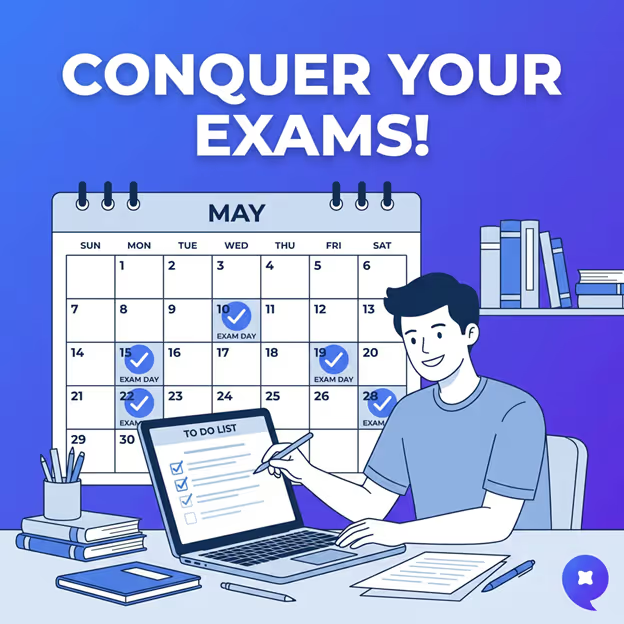
Final Thoughts: Smart Revision Wins
Studying for GCSEs, A Levels and SQA exams in 2016 doesn't have to be daunting.
It's not always the students who study the longest who pass - it's the students who study smart, plan well and take care of themselves.
So, whether you are just beginning GCSE preparation, looking for best books for GCSE preparation, finding GCSE preparation online, or looking for A Level exams 2026 dates, don't forget:
Have a plan.
“Stress less. Study smart. Succeed confidently.”